

Posted in Triplett & Carothers on February 26, 2026
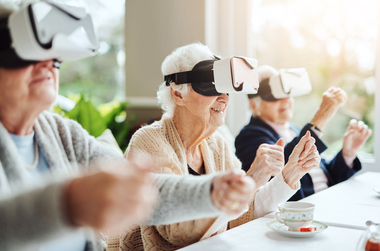
Technological support has become a necessity in meeting the needs and expectations of assisted-living residents.
Residents today are more tech savvy than previous generations, using technology to stay connected with friends and family via video calls and social media, to keep track of their health records and to access information.
Here are some ways smart tools are making a difference in the lives of seniors:
- As people age, it may become more difficult to keep track of one’s health history, including surgeries, medications and conditions. Enter electronic health recordkeeping, which allows the facility to keep more accurate records than merely relying on the resident for information. Along with age come more complex health issues that can be difficult to keep track of. By transferring patient information to electronic records, doctors and caregivers have an accurate way to monitor patients’ progress. Technology streamlines the recordkeeping process, which frees up doctors to spend more time with patients.
- Telehealth came into play during the pandemic and continues to provide a valuable service to those who are unable to travel to see their doctors. This quick access offers health and wellness support for nonurgent medical situations.
- Senior communities are adding AI-powered fall-detection systems to monitor falls. In fact, technology exists that monitors a resident’s gait, posture and patterns of movement that could predict a fall. If a resident does fall, the staff is alerted immediately. This is a godsend for fall-prone residents. Falls are the leading cause of injury-related deaths in people over the age of 65.
- Wearable devices such as smartwatches and fitness trackers are another way for health providers to assess a resident’s health. These devices can provide early detection in real time for such conditions as irregular heartbeats, heart attacks, strokes or falls.
- Managing residents who may wander are managed through smart technology. For example, WanderGuard Blue provides a solution for patients who need memory care. Residents are provided with a bracelet that monitors their movements as smart door hardware signals staff if they have wandered beyond the designated area.
- Smart home technology can be used in a senior’s residence to assist with activating smart devices, such as turning lights on and off, adjusting thermostats and activating security systems.
- Robotics are showing promise to assist seniors with everyday activities of daily living such as bathing, dressing, toileting and helping with walking. These robots are designed to interact with people, which can help combat loneliness through companionship. Robots can help reduce the stress on human staff by performing routine tasks. Countries such as Japan and Singapore are currently experimenting with automating elder care.
- While social media often gets a bad rap, when it comes to caring for seniors the opposite is true. Social media can improve the quality of life for older folks by providing entertainment, emotional support and connection. When family and friends live too far from their loved ones, social media is a good alternative to being there.
Technology continues to be a game changer in terms of enhancing the quality of life for all of us. It is especially true for those living in assisted-living facilities, who can enjoy peace of mind knowing that they are receiving the most up-to-the-minute care.
Reach out to Roz Carothers and her team at Triplett & Carothers to learn more.
©2026