

Posted in Triplett & Carothers on February 3, 2026
From improving diagnoses to monitoring health conditions, artificial intelligence is having a positive impact on senior wellness. While you might think that mature adults would be among the last to adopt AI technology, this could not be further from the truth. In fact, more than half of those 65 and over are aware of ChatGPT.
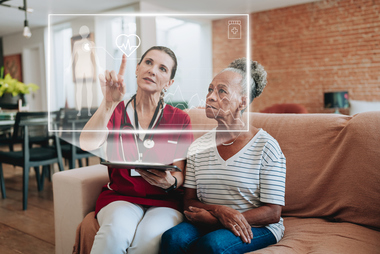 Seniors are embracing the convenience, companionship and accessibility that AI offers to help improve their lives. There are many applications for AI to help mature adults with some of the challenges of daily living. Here are some important ways AI has been able to make life easier for older adults:
- Wearable and remote monitoring technologies — Some seniors may find it inconvenient and stressful to arrange for in-person doctor visits, especially on a regular basis. Thanks to wearable monitoring devices, doctors can manage health care from afar by analyzing their patients’ biodata. AI can also predict when an individual may need more acute care. For example, some smartwatches can keep track of heart fluctuations, monitor blood oxygen levels, perform electrocardiogram functions and check sleep patterns, as well as know when a person has had a fall. These devices can even contact emergency services in the event of a hard fall if the person is unresponsive. Other features include medication reminders and activity tracking.
- Social interaction — Many seniors may experience feelings of loneliness and isolation, especially if they live alone. AI can provide much-needed companionship in the form of virtual assistants and chatbots. These AI companions, such as Siri and Alexa, can engage in conversations, play games, provide information and answer questions. This is particularly important for those struggling with Alzheimer’s. Companies such as Amicus Brain offer solutions that function as AI advisers to help those with dementia and their caregivers by providing local care resources. The company’s Well-being Advisor app allows you to track your own mental state and any cognitive changes in your loved one. And video calling with friends and loved ones enables seniors to maintain their all-important connections.
- Mental health — Thanks to AI, the mental wellness of older adults can be supported. For example, music-based therapies have shown to be effective in treating the anxiety and agitation associated with dementia. Many programs can be personalized to reflect the preferences and mental state of those with cognitive challenges. AI can analyze language patterns to detect any signs of mental illness, such as depression or anxiety. AI can also set reminders, assist with daily tasks and provide companionship to alleviate the stress in day-to-day living. This is especially important for those who wish to age in place and remain independent in their own homes for as long as possible.
As AI technology continues to accelerate at a rapid pace, it will have far-reaching implications across all demographics. The advancements in AI are crucial in providing older individuals with the health care they need to live happier and healthier lives.
Reach out to Roz Carothers and her team at Triplett & Carothers to learn more.
©2026