

Posted in Triplett & Carothers on November 2, 2026
Single people age 50 and older without any living children and who live alone, known as solo agers, account for a steadily growing number of older adults in the United States. According to the Census Bureau, about 8% of adults age 50 and older do not have a spouse or a partner nor do they have any biological children. Women, who traditionally outlive men, make up about 16% of this age 50 and up group.
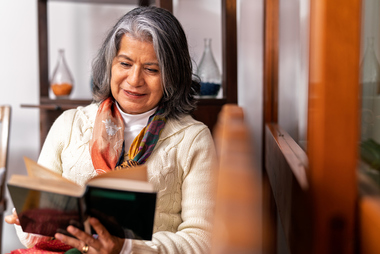
There are other reasons why older adults may choose to live alone. Many times, solo agers live far away from other family members or are estranged from them. This means that they have very little support from others to help with the requirements of daily life such as grocery shopping, cooking, cleaning or running errands.
Many people in this position never thought they would live alone in their senior years. However, when AARP asked respondents to describe their experience as “home aloners,” the top three responses were positive: independent (55%), satisfied (41%) and happy (30%). Most said that living alone offered them freedom. At this point in their lives, solo agers have lived through many of life’s milestones, including the loss of a spouse or friends. As a group they tend to be resilient and self-reliant, being able to bounce back from the adversities of living longer than their peers.
The pluses and minuses
While there are many advantages to recommend solo aging, there are also many disadvantages to consider. According to the same AARP study, more than 75% are concerned about losing their independence, 60% worry about not being able to stay in their current home, 51% are anxious about being moved somewhere against their will and 50% are uneasy about needing help with daily activities.
Without supervision, older adults are not always careful in their living habits, which can cause them to become weak. This includes not eating balanced meals or living a sedentary lifestyle. Issues such as high blood pressure — and even ministrokes — may go unchecked. Developing cognitive impairments can become a danger to themselves and others. They may leave the stove unattended while cooking or fall and break a bone.
To be successful, solo agers need to create a support network of people willing to help them should the need arise. While it may not be easy to find the right people immediately, there are steps that can be taken to fill the gap:
- Set up a buddy system with a neighbor or friend so you check in with each other every day, preferably at the same time.
- Ask distant friends and family members to call at a set time each day just to know that all is well.
- Avoid a sedentary lifestyle by participating in community activities. Join a class or a senior citizen community center to expand your network of friends.
- Check to see if your community has a Council on Aging and see what services are offered. Some agencies offer grocery shopping, running errands or transportation to doctors’ appointments. The government runs an Eldercare Locator to help find local resources for home repairs, transportation, caregiving services, and legal and financial advice.
Helpful strategies and resources are available for those who want to live independently for as long as possible. For those who can afford it, there are aides and geriatric care managers who are there to monitor your life. Feeling free may be worth every penny.
Reach out to Roz Carothers and her team at Triplett & Carothers to learn more.
©2026